
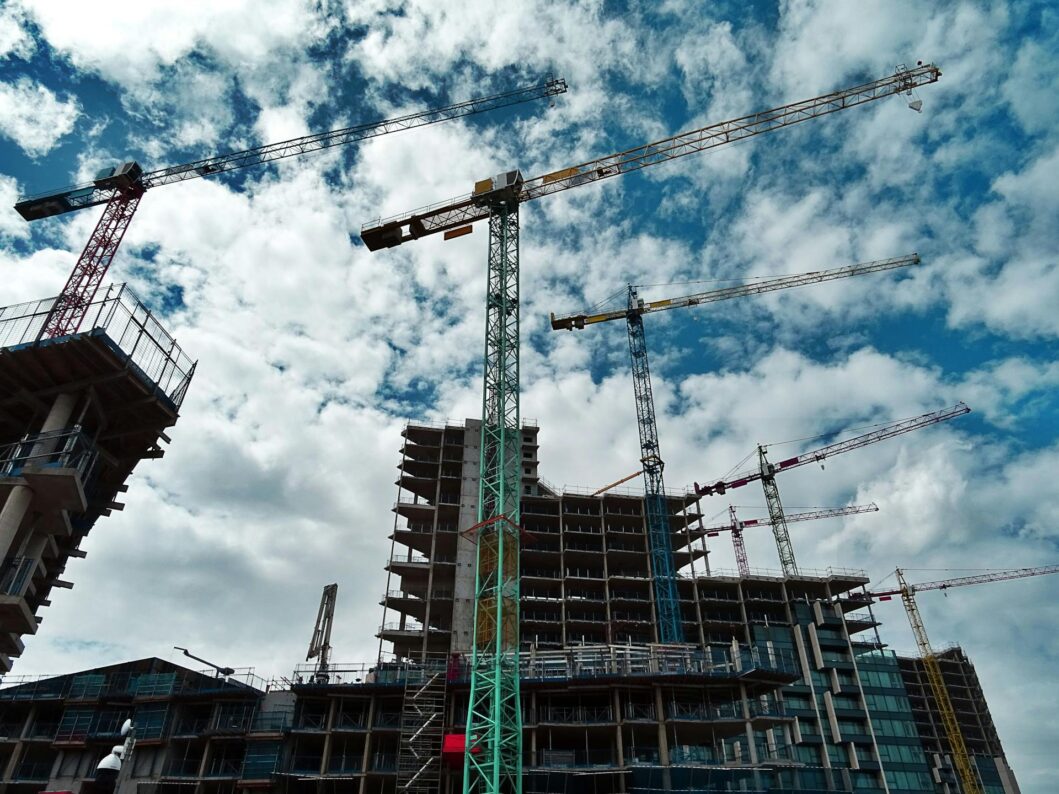
Success in the construction industry depends on more than materials, tools, and technical skills—it relies heavily on the people behind the work. Strong leadership and effective coaching can transform an average construction team into a high-performing one. As projects become more complex and timelines more demanding, leaders who prioritize communication, guidance, and professional development are essential. By fostering a supportive environment and empowering workers, construction managers can significantly improve productivity, safety, and overall project outcomes.
Building a Strong Foundation Through Communication
Clear and consistent communication is the cornerstone of effective leadership in construction. Workers rely on accurate instructions, safety guidelines, and timely updates to perform their tasks correctly. Leaders who communicate expectations clearly reduce confusion, minimize mistakes, and create a smoother workflow. Open communication also encourages team members to ask questions, raise concerns, and share ideas that may improve project execution. When everyone understands their role and the overall plan, teams operate more efficiently and confidently.
Developing Skills Through Hands-On Coaching
Coaching in construction goes far beyond simply assigning tasks. It involves teaching, mentoring, and guiding workers to improve their skills. Hands-on coaching—such as demonstrating proper installation techniques, explaining safety procedures, or offering tips for greater efficiency—helps team members grow professionally. This approach not only boosts their confidence but also ensures higher-quality work. Leaders who invest time in coaching show their team that their success matters, which increases motivation and commitment.
Promoting Accountability and Ownership
Construction projects move quickly, and leaders need teams that take responsibility for their work. Effective leadership creates a culture of accountability where each team member understands the impact of their performance. When workers take ownership of their tasks, they are more likely to meet deadlines, follow safety protocols, and produce quality results. Recognizing achievements and addressing issues promptly reinforces this culture and drives continuous improvement.
Creating a Supportive and Motivating Work Environment
A positive work environment can dramatically increase team performance. Leaders who show respect, offer encouragement, and acknowledge hard work build stronger relationships with their teams. This supportive environment reduces turnover, boosts morale, and encourages workers to put forth their best effort. Additionally, empowering team members to contribute ideas fosters innovation and problem-solving, leading to more effective project outcomes.
Effective coaching and leadership are powerful tools for elevating construction team performance. By emphasizing communication, skill development, accountability, and support, leaders can create a highly motivated team capable of delivering exceptional results on every project.
About the Author
